A Complete Guide on How to Use an Oven

The oven is one of the most used appliances in any kitchen. An oven is used for various dishes, including roasts, cakes, pizzas and pies. Understanding how your oven works will significantly affect the outcome of your dishes.
Knowing how to use an oven effectively is a fundamental skill and will ensure you’re getting the most out of your oven and BergHOFF cookware.
What Oven Are You Using?
Before you can get a grasp on temperature control, you need to identify what oven you are working with.
The two primary types of ovens found in homes are gas and electric, and depending on which you have changes how you use it. People occasionally have convection ovens, which, regardless of fuel source, include a convection setting. This uses a fan to circulate hot air around the food, cooking it faster and more evenly. When using convection, it is standard practice to reduce the recommended recipe temperature by about 20°C.
Gas ovens use a burner at the bottom to generate heat. They’re favoured for their moisture retention, which is very useful for roasting meats and baking breads that require a crusty exterior and soft interior. However, gas ovens can sometimes have slight temperature fluctuations.
Learning how to turn a gas oven on usually involves turning a dial to the desired temperature and pushing it in to spark the pilot light. You may hear a “whoosh” sound as the gas ignites. Always ensure the flame is blue; a yellow or orange flame indicates incomplete combustion, likely requires professional attention.
Electric ovens utilise heating elements, typically one at the top and one at the bottom. They provide dry, consistent heat, making them ideal for baking cakes and pastries where even rising is crucial.
If you are wondering how to use electric oven settings, it is generally as simple as selecting the function symbol, often a fan, a square with lines, or a zigzag line, and dialling in the degrees. Electric ovens often preheat slightly slower than gas, but hold temperature very steadily once reached.

The Importance of Preheating
One of the most common mistakes in cooking is skipping the preheat step. Preheating brings the oven to the correct oven temperature before the food enters.
Preheating an oven is critical for chemical reactions in baking; if you put a cake into a cold oven, the leavening agents may activate too early, resulting in a dense, flat product. Similarly, searing meat requires immediate high heat to lock in juices.
How long does it take to preheat an oven?
While it varies by model and the target temperature, a general rule of thumb is to preheat your oven for 10 to 15 minutes before use. Gas ovens may reach temperature slightly faster than electric ones.
Most modern ovens have an indicator light or an audible beep that signals when the set temperature is reached. However, for precision baking, it is wise to wait an additional 5 minutes after the signal to ensure the internal walls and racks have fully absorbed the heat. This creates a stable thermal environment.
Oven Rack Placements
Heat behaves differently at various heights, so understanding where to place your oven racks allows you to control the cooking process. Different foods require the oven racks to be at different levels, so it’s important to know what works best to ensure your food comes out perfectly.
The middle rack is the default position for most cooking. When you are baking cookies, casseroles, or roasting vegetables, the middle rack ensures even heat distribution from both the top and bottom elements. It is the safest bet for consistent results.
Moving your dish closer to the top heating element increases the intensity of the heat from above. This is essential for broiling. Broiling uses high, direct heat to brown the surface of food quickly, perfect for melting cheese, browning the top of a crème brûlée, or giving a steak a final sear. When broiling, keep a close eye on the food, as it can go from perfectly browned to burnt in seconds.
Placing food near the bottom of the oven exposes it to more heat from the bottom element. This is ideal for recipes that need a strong bottom heat, such as blind-baking a pie crust to prevent a soggy bottom, or for pizzas where you want a crispy base. It is also the correct position for roasting large cuts of meat if you want to ensure the underside cooks thoroughly without over-browning the top too early.
If you are baking using multiple trays, stagger them on the top and bottom racks and rotate the trays halfway through the cooking time. This compensates for any hot spots and ensures even baking.
Monitoring Food in the Oven
Once the food is in, it’s important to monitor it; however, you should avoid opening the oven door repeatedly, as it causes significant heat loss. In a gas oven, the temperature can drop by 15°C or more in seconds, and it takes time to recover. This fluctuation can cause cakes to collapse or meats to dry out. Instead of relying solely on the oven light, use the window to monitor progress.
For foods that require precise internal temperatures, such as roasts or bread, use a high-quality meat or oven thermometer. This removes the guessing and prevents the need to open the door. If you must open the door to rotate a pan or check browning, do it quickly and towards the end of the estimated cooking time.
Understanding Settings and Symbols

Modern ovens have a control panel with a variety of symbols that can be confusing. Understanding the symbols helps you to select the right environment for your BergHOFF bakeware, ensuring your dishes cook exactly as intended. Here is a breakdown of the most common settings:
- Fan Bake (Fan inside a circle): The fan circulates hot air for even cooking. Best for multi-rack baking and roasting.
- Conventional Bake (Top and bottom lines): Uses static heat from the top and bottom elements. Ideal for traditional baking and slow-cooking dishes.
- Grill/Broil (Zigzag line at the top): Activates only the top element at high heat. Used for browning, toasting, or cooking thin cuts of meat.
- Defrost (Snowflake or fan without lines): Uses the fan to circulate room-temperature air to thaw food gently without cooking it.
- Pizza Setting (Fan with a line at the bottom): Combines bottom heat with fan circulation to ensure a crispy crust while cooking toppings evenly.
Cleaning and Maintenance
A clean oven is not just about aesthetics; it is about performance and safety. Burnt-on food residues can smoke during preheating, leaving unpleasant flavours and potentially setting off smoke alarms.
After each use, once the oven has cooled but is still slightly warm, wipe down any spills with a damp cloth. This prevents any buildup. For the interior, a mixture of baking soda and water creates a gentle, non-toxic paste that can be left overnight to loosen grime before scrubbing.
Many ovens come with a self-cleaning cycle, which heats the oven to extremely high temperatures to turn residue into ash. Before starting this cycle, remove all racks, unless the manual states they are safe, and wipe out loose debris. Ensure the kitchen is well-ventilated, as the process can produce odours. F
or ovens without a self-clean feature, a commercial oven cleaner or a vinegar steam treatment can help to loosen stubborn grease. A vinegar steam treatment involves placing a bowl of water and vinegar in the oven and heating it to create steam.
Lastly, remove any buildup of grease from the door glass. Grease can obscure your view, causing you to open the door more often. Clean the glass with a suitable non-abrasive cleaner to maintain visibility and keep cooking safe.
Mastering how to use an oven is a journey of understanding heat, timing, and placement. If you are figuring out how long does it take to preheat an oven, how to turn a gas oven on, or how to use an electric oven setting, the principles remain the same: preparation, observation, and maintenance.
By paying attention to rack placement, understanding the preheat process, and keeping your appliance clean, you can create the perfect dishes. Pair this knowledge with high-quality cookware, and you will be creating delicious meals time and time again.
See what we're cooking up.
Bringing you the latest recipes for inspiration
... let us know how you get on!
5 August 2026
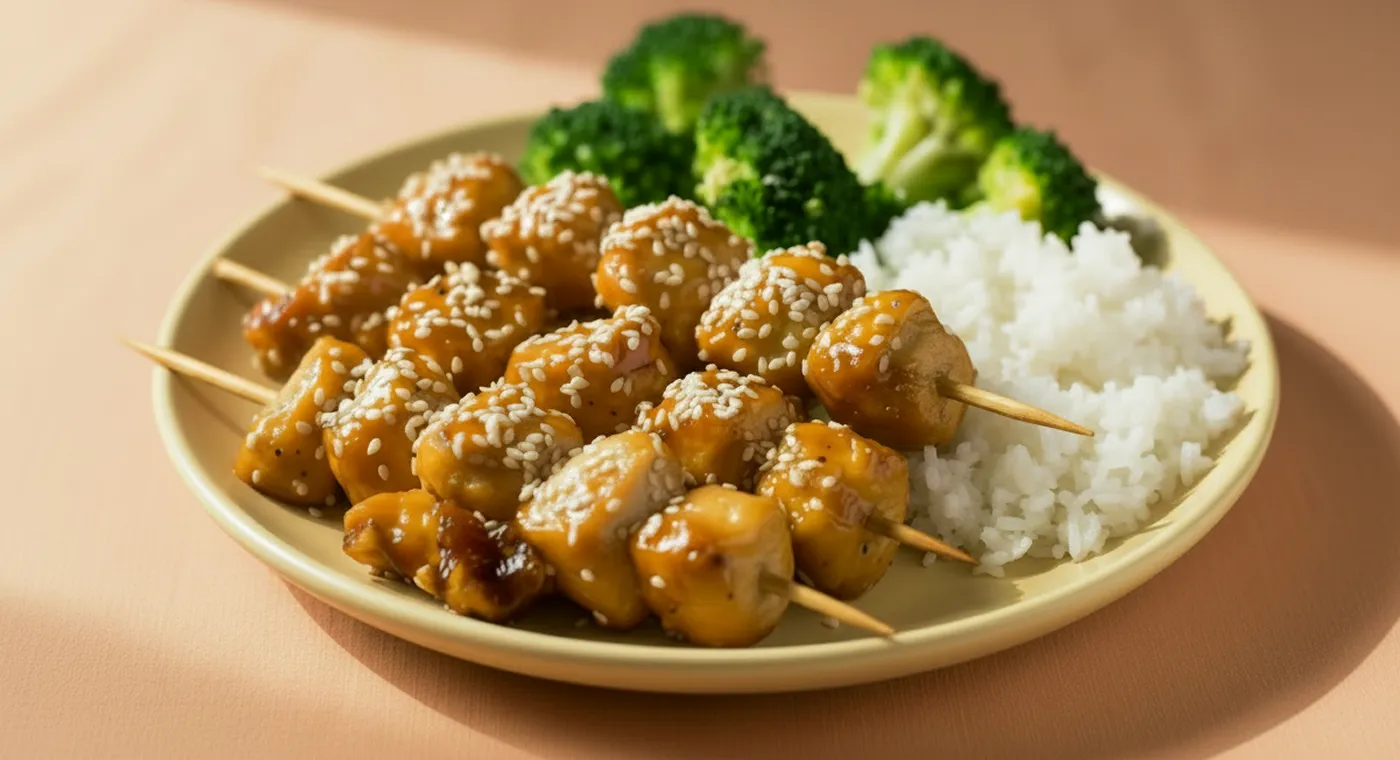
Bang Bang Chicken Skewers (Sichuan-inspired)
Our take on the Chinese classic. This bang bang chicken recipe is perfect for a weeknight meal or a weekend BBQ.
Read More
24 July 2026
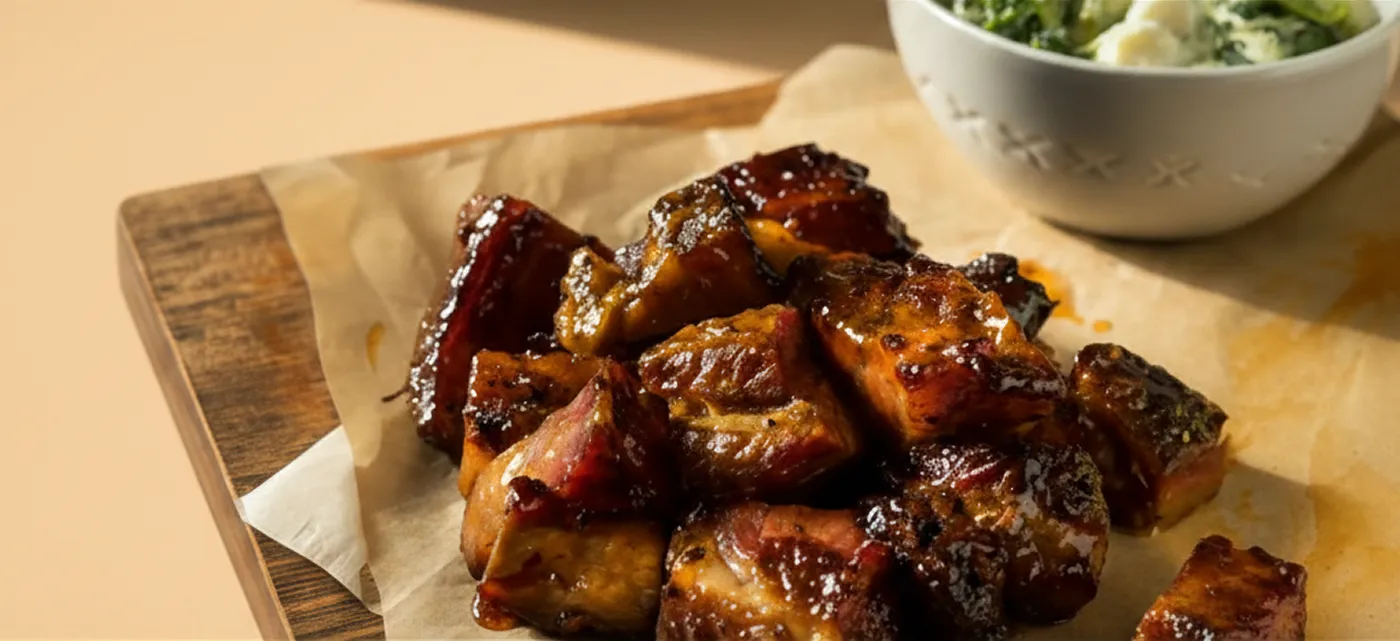
Teriyaki Pork Belly Donburi Bowl
Making teriyaki pork is easier than you would think. A few simple steps and you’ve got a sticky, sweet and salty dish.
Read More

10 July 2026
Viral Dot Cake Recipe
Here’s a simple, classic french dessert recipe for Tarte Tatin aux Abricots, ideal for home bakers to cook in the sunshine this summer!
Read More